
When people search for a fireproof gun safe, most assume every safe on the market protects the same way. Real fire exposure proves otherwise. Over decades in manufacturing and installation, we’ve seen exactly what survives extreme heat — and what fails when construction shortcuts are taken.
During live fire exposure exceeding 2,000 degrees for over 60 minutes, a properly constructed safe protected family photographs, $3,000 in cash, and a Rolex watch without damage. That type of result only happens when steel construction, concrete insulation, and sealing systems work together.
Fire protection is not marketing — it is engineering.
What Is a Fireproof Gun Safe?
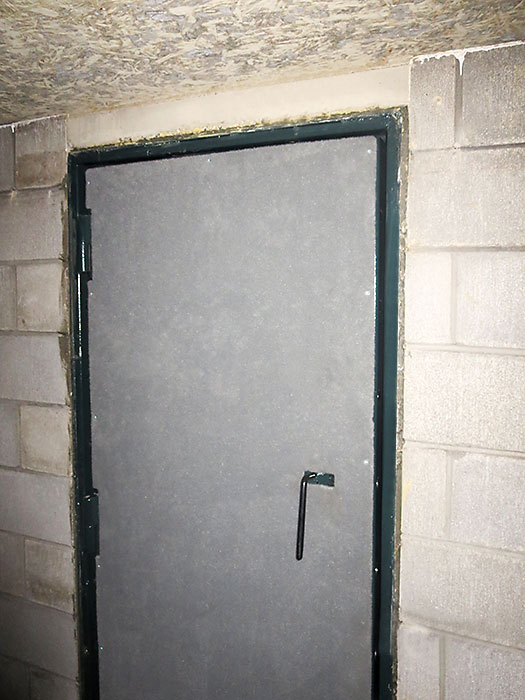
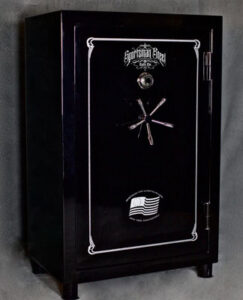
A fireproof gun safe is a reinforced steel storage unit designed to protect firearms, documents, and valuables from extreme heat during a fire. These safes use thick steel walls combined with concrete or composite insulation to slow heat transfer and keep internal temperatures below ignition levels for a rated period, typically 30 to 120 minutes. Fire ratings are based on laboratory testing that simulates high-temperature exposure. In higher-security installations, fireproof gun safes are often paired with reinforced rooms or vault doors to provide added burglary resistance and long-term structural protection.
Why Concrete Fireproofing Outperforms Standard Fireboard
Most consumer gun safes rely on drywall or thin fireboard layers. Those materials burn out, crack, and collapse under sustained heat. In contrast, high-mass concrete fire insulation performs differently:
-
Concrete composite fill absorbs and dissipates heat slowly
-
Multi-layer steel shells prevent heat transfer
-
Ceramic insulation adds thermal resistance
-
Weight acts as thermal mass protection
Real examples from our production include:
-
1700 lbs safes rated up to 2 hours of fire protection
-
3900 lbs safes rated up to 2.5 hours of fire exposure
-
Capacities ranging from 10 to over 100 long guns
Cheap safes lose insulation integrity and structural strength early during a fire, allowing internal temperatures to spike rapidly.
Customer Fire Survival Case
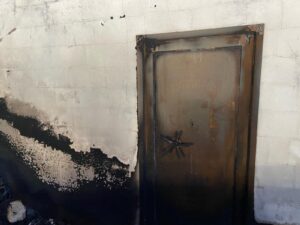
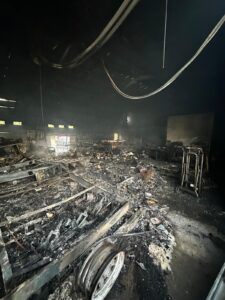
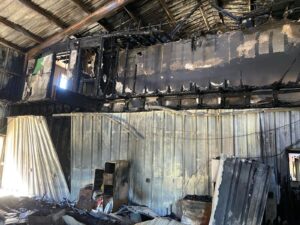
One installation involved a vault door embedded into a concrete safe room inside a residential garage. A fire burned for approximately 1.5 to 2 hours.
After the fire:
-
The safe room structure remained intact
-
The vault door held structural integrity
-
Cash, jewelry, firearms, ammunition, and documents survived
-
Estimated protected value exceeded $500,000
This was not luck — this was heavy steel construction combined with concrete insulation and proper sealing.
Watch How Sportsman Fireproof Gun Safe Is Created
Fireproof Gun Safe & Vault Door FAQ
Do fireproof gun safes actually work?
Fireproof gun safe are built to slow heat transfer and protect contents for a rated time period, typically 30 to 120 minutes. Thick steel walls combined with concrete or composite insulation prevent internal temperatures from reaching ignition levels. High-security installations often pair fire safes with reinforced rooms or
vault doors for expanded protection.
Is anything 100% fireproof?
No consumer safe is completely immune to extreme heat. Fire ratings measure how long a safe can maintain safe internal temperatures during intense exposure. Materials such as steel, ceramic fiber and concrete resist heat transfer but cannot remain unaffected indefinitely.
Will cash burn in a fireproof safe?
Paper currency ignites around 451°F. A properly rated fireproof safe keeps internal temperatures below that threshold during the rating period. Extended fires or structural collapse may exceed the safe’s rating, which is why placement and fire rating selection matter.
How long will a fireproof safe last in a fire?
Most residential fire safes range from 30 to 90 minutes, while higher-end models reach 120 minutes or more. The duration refers to continuous exposure at extreme temperatures in laboratory testing.
What material cannot be burned by fire?
Metals like steel and minerals such as concrete do not burn, although they can weaken under extreme heat. Fire safes rely on layered steel and insulating composites to slow temperature transfer.
Will paper survive in a fireproof safe?
Paper remains protected if internal temperatures stay below ignition levels during the rated time. Document-rated safes are engineered specifically for paper storage under fire exposure.
Is a 30-minute fireproof safe enough for a home?
For small residential fires, 30 minutes may offer limited protection. Larger homes or rural locations with longer fire response times often benefit from 60- or 90-minute ratings.
What not to put in a fireproof safe?
Compressed aerosols, flammable chemicals and ammunition should not be stored in sealed fire safes due to pressure and heat expansion risks.
Where is the best place to keep a fireproof safe?
Lower floors, interior walls and concrete foundations reduce fire exposure. Basements often provide natural insulation from flames and heat.
Can burglars break into safes?
Entry resistance depends on steel thickness, locking systems and anchoring. Fire ratings alone do not equal burglary protection, which is why reinforced safe rooms and vault door installations increase overall security.
What should you look for when buying a fireproof safe?
Key factors include verified fire rating, steel thickness, lock quality, internal capacity, anchoring options and manufacturer reputation.
How much does a good fire safe cost?
Quality fire safes typically range from $1,000 to $5,000 depending on size, fire rating and security features. High-security vault systems exceed that range.
Will a gun safe survive a house fire?
A properly rated gun safe can preserve firearms during most residential fires when installed correctly and not directly exposed to structural collapse.
Are fireproof safes waterproof?
Many fire safes provide water resistance for limited exposure from fire suppression or flooding, but full waterproof ratings vary by model.
What Separates Professional-Grade Fireproof Gun Safes
Mass-market safes often use thin sheet metal and light insulation. Professional-grade safes use construction methods normally found in commercial vault systems.
Key construction features include:
Steel Thickness
-
1/4″ outer steel body
-
10-gauge inner steel liner
-
Most consumer safes use only 1/8″ steel
Continuous Weld Construction
-
Stainless steel heliarc welded on all six sides
-
Torch-resistant welds reflect heat instead of absorbing it
Multi-Point Sealing Doors
-
5-point step door sealing system
-
Flat doors seal only on one surface
-
Expansion gaskets expand up to 7× during heat exposure
Fire Layer Systems
-
Up to 8 layers of fire protection
-
Concrete fireproofing plus U.L. rated boards
-
Dual steel bodies prevent heat penetration
Frame Strength
-
3/4″ thick steel bolt protectors
-
Heavy frames resist pry attacks during post-fire vulnerability
Weight Advantage
-
Typical competitor safe: ~600 lbs
-
Heavy duty safe: 1,200+ lbs
Mass alone improves thermal resistance and structural stability.
Fire Protection Without Sacrificing Security
Fire protection should never weaken burglary resistance. Design shortcuts often weaken both.
Strong designs maintain:
-
Dual locking systems with multiple relockers
-
Hardplate shielding over lock areas
-
Thick anti-pry frames
-
Multi-point bolt engagement
-
Heavy steel bodies
Many burglary attempts occur after fire damage when buildings are unsecured. Structural strength still matters even after fire exposure.
What Real Fire Protection Costs
True fire resistance requires material mass and steel thickness — both carry cost.
Typical price ranges for high-fire-rating safes:
| Size | Fire Rating | Weight | Capacity | Price |
|---|---|---|---|---|
| 60″x35″x33″ | 2 HR | 1700 lbs | 6–15 guns | $5,895 |
| 60″x44″x33″ | 2 HR | 2000 lbs | 10–25 guns | $6,995 |
| 72″x50″x33″ | 2 HR | 2750 lbs | 10–32 guns | $8,895 |
| 72″x65″x33″ | 2 HR | 3350 lbs | 10–60 guns | $12,795 |
| Double Door | 2 HR | 3500 lbs | 10–60 guns | $14,495 |
| Super Size | 2.5 HR | 3900 lbs | 10–100 guns | $16,595 |
Lightweight safes cannot replicate this performance regardless of marketing claims.
Why Fire Ratings Alone Don’t Tell the Whole Story
Many manufacturers publish ratings without standardized testing. Long-term performance comes from:
-
Proven manufacturing history
-
Real fire survival cases
-
Material thickness verification
-
Structural integrity under stress
Manufacturers operating since the late 1970s carry decades of field experience validating their designs.
Recommended Fireproof Gun Safe Based on Performance
The Bravo Series Gun Safe remains one of the strongest values in fire protection and the best gun safe.
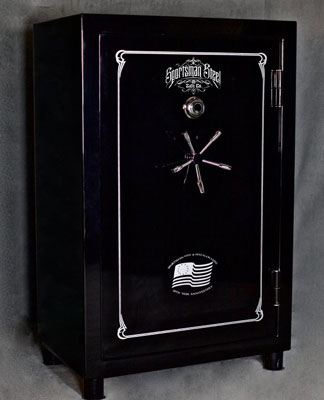
Key performance features:
-
2″ step door design
-
6000 degree concrete fireproofing
-
10-gauge steel body
-
3/4″ anti-pry frame
-
Twin expandable fire gaskets
-
Digital or mechanical lock options
-
12-bolt locking system
-
Lifetime fire and lock warranty
Final Thoughts
Fire exposure destroys most consumer safes because insulation collapses and thin steel transfers heat too quickly. Heavy steel, concrete insulation, sealed step doors, and mass density determine real survival.
A fireproof gun safe should protect firearms, documents, cash, and family heirlooms even when structures burn for extended periods.
Real engineering produces real protection.